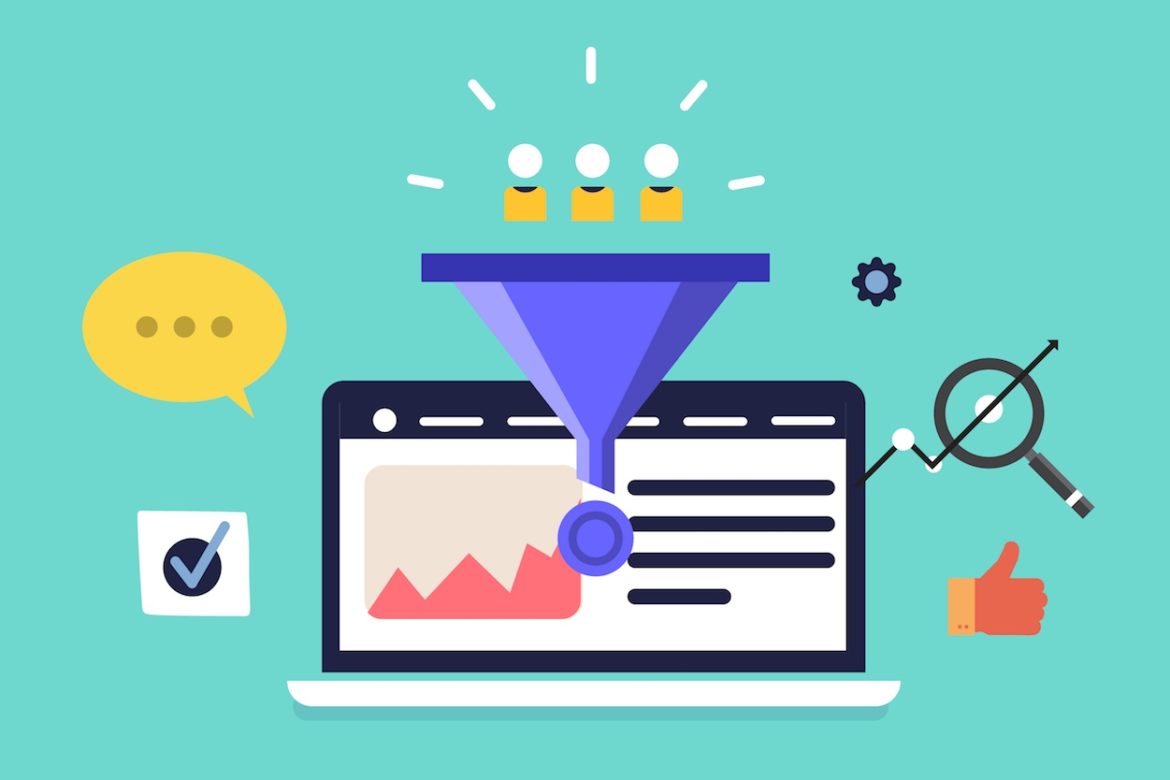
Tag: small business

  • The Rise of AI in Web Design

    The Rise of AI in Web Design

    The Rise of AI in Web Design

    In the dynamic realm of web design, the integration of Artificial Intelligence (AI) is revolutionizing how we create, optimize, and interact with digital spaces. The convergence of AI technologies with web design is not just reshaping the industry’s landscape; it’s redrawing it from scratch. This article delves into the burgeoning relationship between AI and web design, exploring how it’s poised to become the cornerstone of futuristic web experiences.

    Understanding AI in the Context of Web Design

    Artificial Intelligence, at its core, is about machines performing tasks that typically require human intelligence. In web design, this translates into algorithms and machines taking on roles such as layout design, color scheme selection, content creation, and user experience optimization. AI tools and platforms are now equipped to analyze vast datasets, learning from user interactions to constantly improve the design process.

    The implications are vast. AI can now predict design trends, automate repetitive tasks, and provide personalized experiences to users, among other things. But to what end? The ultimate goal is a more intuitive, efficient, and personalized web, and the journey there is just as fascinating as the destination itself.

    Automated Website Builders: The Tip of the AI Iceberg

    One of the most tangible manifestations of AI in web design is the advent of automated website builders. Platforms like Wix ADI and The Grid have pioneered the use of AI to create websites based on user-provided content and design preferences. These tools have democratized web design, making it accessible to individuals with no prior coding or design experience.

    However, these automated builders are just the beginning. They simplify the design process, but the true potential of AI in web design lies in its ability to learn and adapt. As we feed more data into these AI systems, they become better at predicting what designs will be most effective, leading to websites that are not only beautiful but also highly optimized for user engagement.

    Personalization at Scale: AI’s True Calling

    Perhaps the most significant advantage of AI in web design is its ability to personalize at scale. Traditional web design can cater to the general audience or to specific user personas. AI takes this a step further by offering individualized user experiences. Through machine learning algorithms, AI can analyze user behavior, preferences, and interaction patterns to tailor the website in real-time to each visitor.

    This level of personalization was once a pipe dream, but now, AI makes it possible to adjust everything from content to layout to meet the unique needs of every user. The result is a dramatic increase in user satisfaction and conversion rates, as visitors are more likely to engage with content that resonates personally with them.

    Personalization extends beyond the user interface to include adaptive content. AI-powered content management systems can now suggest blog post topics, generate basic articles, and even optimize content for search engines—all in a fraction of the time it would take a human to do the same tasks.

    Enhanced User Experience with Predictive AI

    AI’s ability to predict user behavior is enhancing the web experience like never before. By analyzing past interactions, AI can anticipate user needs and provide content and solutions before the user even has to ask. This preemptive approach to design not only makes for a smoother user journey but also significantly boosts the efficiency of online interactions.

    Chatbots powered by AI are a prime example of predictive design in action. They can guide users through the website, provide instant support, and even handle complex queries through natural language processing. This not only improves the user experience but also reduces the workload on human support teams.

    Moreover, AI-driven analytics tools can track user engagement, providing insights that help designers make informed decisions. This data-driven approach ensures that design changes are based not on intuition but on solid, actionable metrics.

    Streamlining Design Processes with AI

    AI is not just about the end-user; it’s also revolutionizing the designer’s workflow. From automating code generation to optimizing asset delivery, AI is streamlining every aspect of the design process. Tools like Adobe’s Sensei use AI to automate mundane tasks such as cropping images and suggesting design elements, allowing designers to focus on the creative aspects of web design.

    By offloading the technical burdens, designers can invest more time in strategy, storytelling, and crafting immersive experiences. The freedom from tedious tasks opens up a new world of creativity, efficiency, and experimentation.

    The Ethical and Practical Implications of AI in Design

    While the integration of AI in web design heralds a new age of efficiency and innovation, it also raises important ethical and practical considerations. The automation of design tasks could impact job opportunities for web professionals. There is also the concern about the homogenization of design—will AI lead to a landscape of similar-looking websites, lacking the unique touch of a human designer? To address these issues, it is vital to strike a balance, using AI as a tool to augment human creativity, not replace it.

    Furthermore, reliance on AI-driven design must come with an emphasis on data privacy and security. As AI systems handle more user data to personalize experiences, safeguarding this data becomes paramount. Designers and developers must ensure their AI implementations comply with global data protection regulations and ethical standards.

    Preparing for an AI-Driven Future in Web Design

    To remain relevant in an AI-driven future, web designers and developers must adapt. This means acquiring new skills, such as understanding AI tools and machine learning basics, to effectively collaborate with AI. Staying informed about the latest AI trends and advancements will also be crucial.

    For businesses, investing in AI for web design means preparing for a future where your digital presence can adapt in real-time to market trends and user expectations. The agility and responsiveness that AI brings to web design can become a significant competitive advantage.

    Conclusion

    The rise of AI in web design is not just a passing trend; it is a fundamental shift in how we conceive and interact with the digital world. As AI technologies continue to mature, their role in web design will only grow, bringing with them new possibilities and challenges. By embracing AI, the web design industry can unlock a future that is more intuitive, personalized, and accessible for all users.

    For designers, the advent of AI is an invitation to reimagine their role in the creative process, to harness the power of AI to create web experiences that are not only visually stunning but also smart and adaptive. The journey towards an AI-integrated design approach is just beginning, and those willing to embark on it will shape the future of web design for years to come.

    At the heart of it, AI in web design is about enhancing human creativity with machine efficiency. As we stand on the brink of this new era, one thing is certain—the fusion of AI with web design is set to redefine the boundaries of digital innovation.
  • 5 Essential Tools/ Plugins Every Business Website Should Have

    5 Essential Tools/ Plugins Every Business Website Should Have

    Every small business owner is aware of the importance of digital marketing in the e-commerce era. With this exploding popularity, there is no shortage of online tools, software packages, and website add-ons that position themselves as essential for e-commerce success. As sorting through the muck can be difficult in an endless sea of products, keep reading as we help you discover 5 digital marketing tools every business must have. 

    1. Analytics Suite

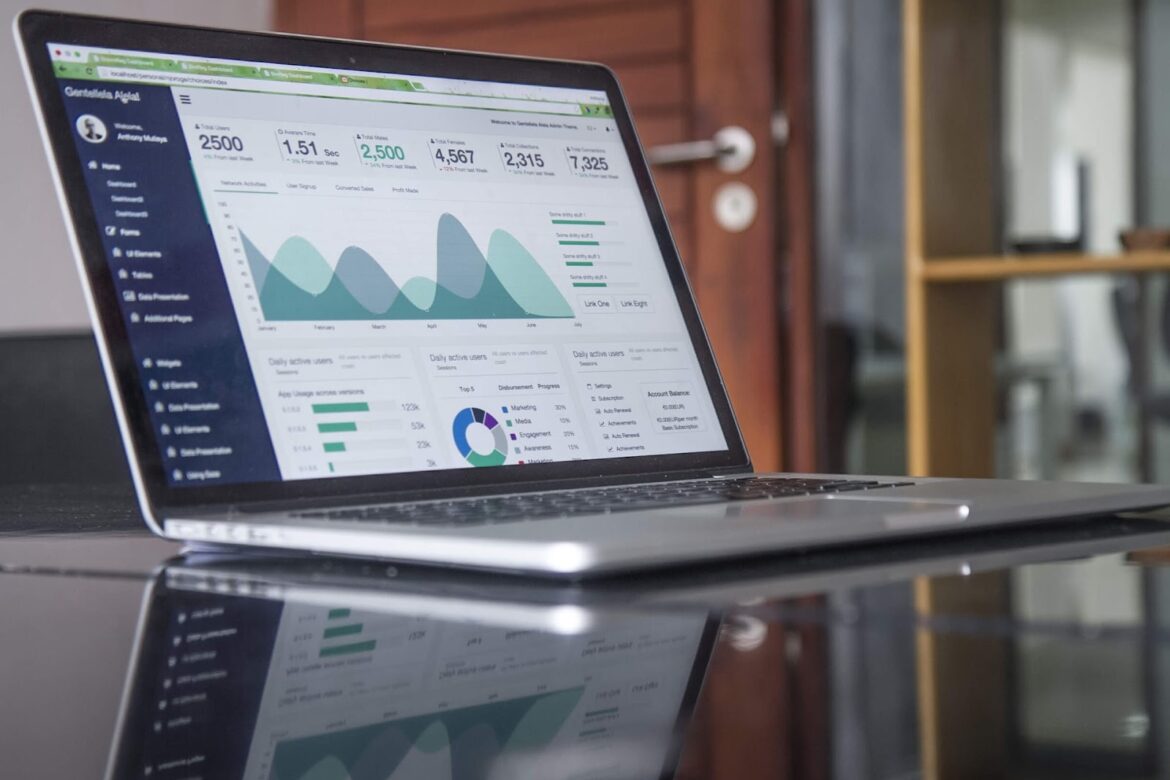
    All of the marketing data that used to take brick-and-mortar businesses weeks to compile and analyze can be streamlined on the internet, served to business owners in easily digestible, actionable metrics. However, too few businesses incorporate an analytics suite when designing their website and if they do, they don’t take the time to learn how to use it. Some of the most pertinent marketing data revealed by modern analytics packages includes:

    • Number of visitors to your site by day, week, month, year, etc.
    • How visitors arrived at your site, whether by direct entry, social media link, or organic search
    • The most popular keywords people used to find your site
    • Demographics and interests of visitors
    • How long visitors are spending on each page they visit

    This is all powerful information that will allow you to spend your marketing budget more effectively and ensure that it is reaching the intended target. For example, you wouldn’t spend a ton of money placing an advertisement on a page people click on briefly and exit. Or if you are getting a lot of traffic from social media links, you can invest more heavily in your social content. While Google Analytics is the most recognizable name in the field of analytics packages, there are a multitude of other options that offer specific features that may appeal to your business. 

    2. Where to Buy Software

    One of the most challenging aspects of marketing in 2022 is how to navigate the lines between in-person and online commerce. While there is no doubt that consumers seek information online, and your business has likely crossed their radar due to digital advertising, the fact remains that not all businesses are positioned to fill 100% of orders online, requiring customers to go to an in-person vendor to complete the purchase.

    As a result, high-powered store locator software is crucial for helping customers find the nearest place to buy. Some features of the best where-to-buy software include:

    • GPS routing directly from the customer’s device to each store location
    • Mobile compatibility for on-the-go customers
    • Up-to-date stock information so that shoppers can see which locations have the quantities they need

    As many customers land on your page with the specific purpose of making a purchase, not providing them with the most specific and accurate information for how to do so will result in a lost sale to a competitor.

    3. Email Automation

    Although there is no doubt that many marketing emails get lost in a sea of spam, email marketing remains the most profitable form of marketing–digital or otherwise–on the planet. There is simply no other marketing channel that gives businesses the power to directly reach a targeted customer like email.

    However, taking the time to compose marketing emails–and remembering to send them out–can be a major chore for business owners who are tied up with other responsibilities. Fortunately, there are a number of email automation programs that you can add to your website that does most of the heavy hitting for you.

    Quality email software will allow you to capture the information of customers who visit your site, compose specific email lists, analyze email engagement, reach out to customers on special occasions, and allow you to schedule automatic email disbursement. This helps ensure that the right customers are receiving marketing material specific to them on a regular basis.

    Mailchimp is one of the most recognizable names in email software, but like analytics packages, there is no shortage of quality programs on the market. 

    4. Digital Asset Management

    In the internet era, there is a multitude of marketing outlets for businesses. From affiliates to salespeople, social media influencers to brand managers, there are just so many people out there that can serve in a marketing capacity.

    While this gives businesses a potentially limitless reach, it does pose the possibility that a company’s brand can become watered down. If marketing partners do not have access to the correct materials to train themselves and distribute to potential clients, the lack of cohesion can create an identity crisis for the business. As a result, it is important that businesses invest in a marketing asset management tool to help keep all of their marketing resources under a central umbrella for easy access by marketing partners. By doing this, the business can enhance collaboration when making marketing content, guarantee instant access for marketing professionals for demonstrations, and provide up-to-date information on the strength of a current marketing campaign. 

    5. Checkout Software

    Although most businesses might not think about checkout software when discussing digital marketing, it is actually one of the most critical components in the field. Marketing is professionally defined as “any activity that facilitates exchange.” Therefore, no matter how great the branding, advertisement, and packaging, exchange will be thwarted if the checkout software is clunky. By investing in top-shelf checkout software for the company website, the business not only guarantees a seamless checkout experience, but the ease of use will likely lead to repeat business thanks to the positive shopping cart experience. 

    5 Essential Digital Marketing Tools for Businesses

    With the e-commerce explosion, there is no shortage of digital marketing tools that label themselves essential for online business success. To this effect, there are certainly some tools and programs that are more effective than others in helping businesses improve their profits. By choosing a top-shelf analytics suite, locator software, email automation, asset management, and checkout software, small businesses can feel confident that they have the 5 essential digital marketing tools to succeed online.


    George is a freelance writer that loves sharing his experience and knowledge on website development and SEO. His work can be found on Building Product Advisor, a new construction industry resource.

  • 10 Ways to Use Your Website as a Marketing Tool

    10 Ways to Use Your Website as a Marketing Tool

    10 ways to use your website as a marketing tool…

    There are millions of internet users across the country and all over the world. Think of the possibilities! Of all those people, surely some of them need what you have to offer. On the other hand, there are most likely many other businesses that do what you do.

    (more…)

REVEL / YOUR PRIVACY

Privacy & cookies

Choose what works for you. Optional categories start off. You can change your choices here at any time.

Essential

Remember your privacy choices and support security and administrator sign-in.

Always on

Essential security and basic website delivery stay on. Cookieless performance measurement is explained in our privacy policy. Read the policy.